Optimal Desk Organization: Designing Your Workspace for Maximum Efficiency
Learn evidence-based strategies to organize your desk for improved focus, reduced stress, and enhanced productivity
Last updated: May 27, 2025

TL;DR
- Organize your desk into zones for efficiency
- Use routines to keep your workspace tidy
- Reduce visual clutter to boost focus
- Use fidget tools to maintain concentration
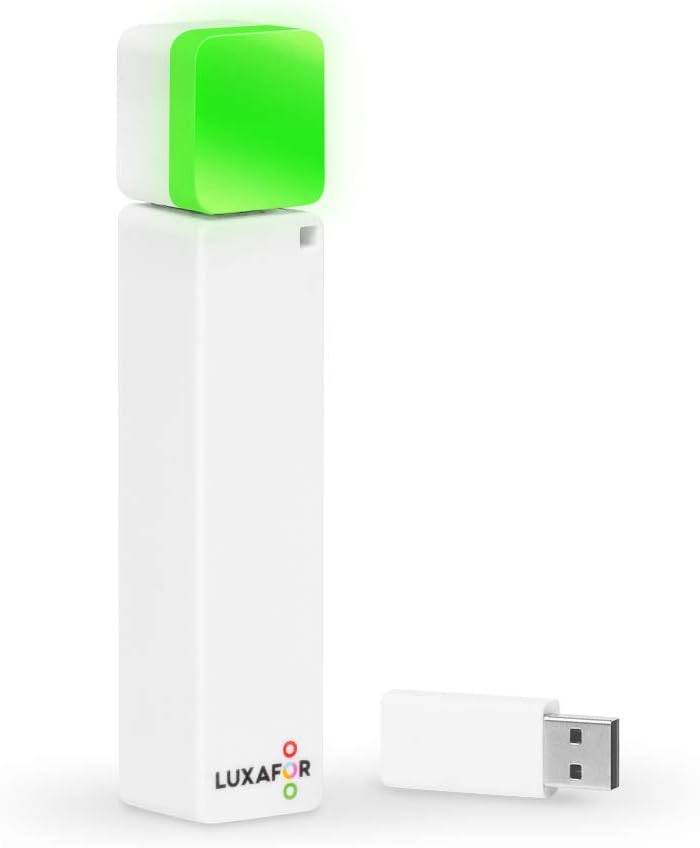
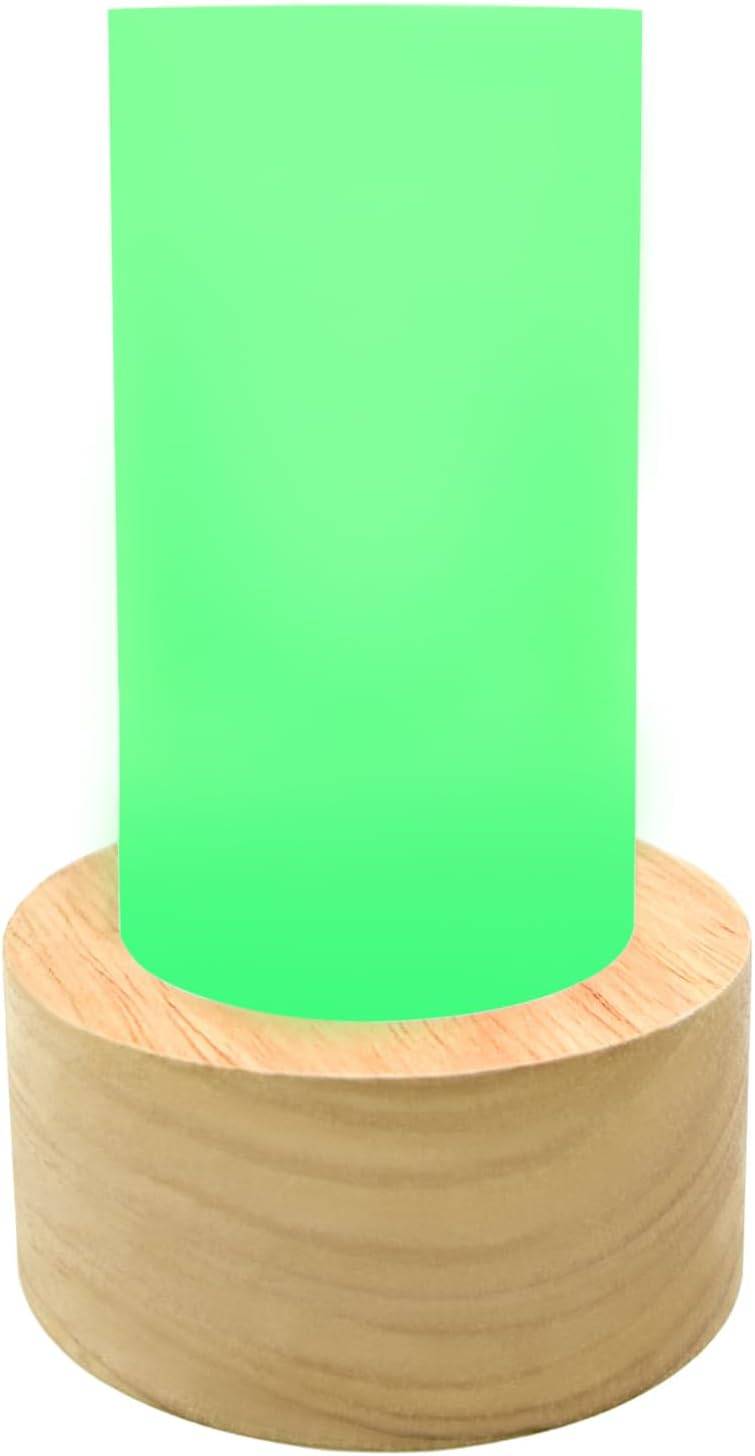
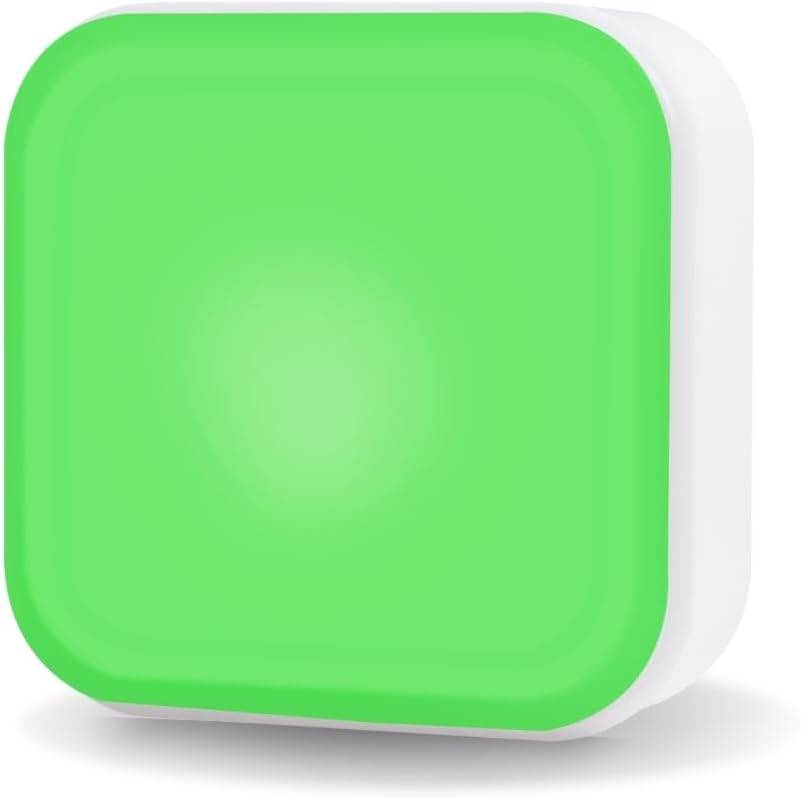
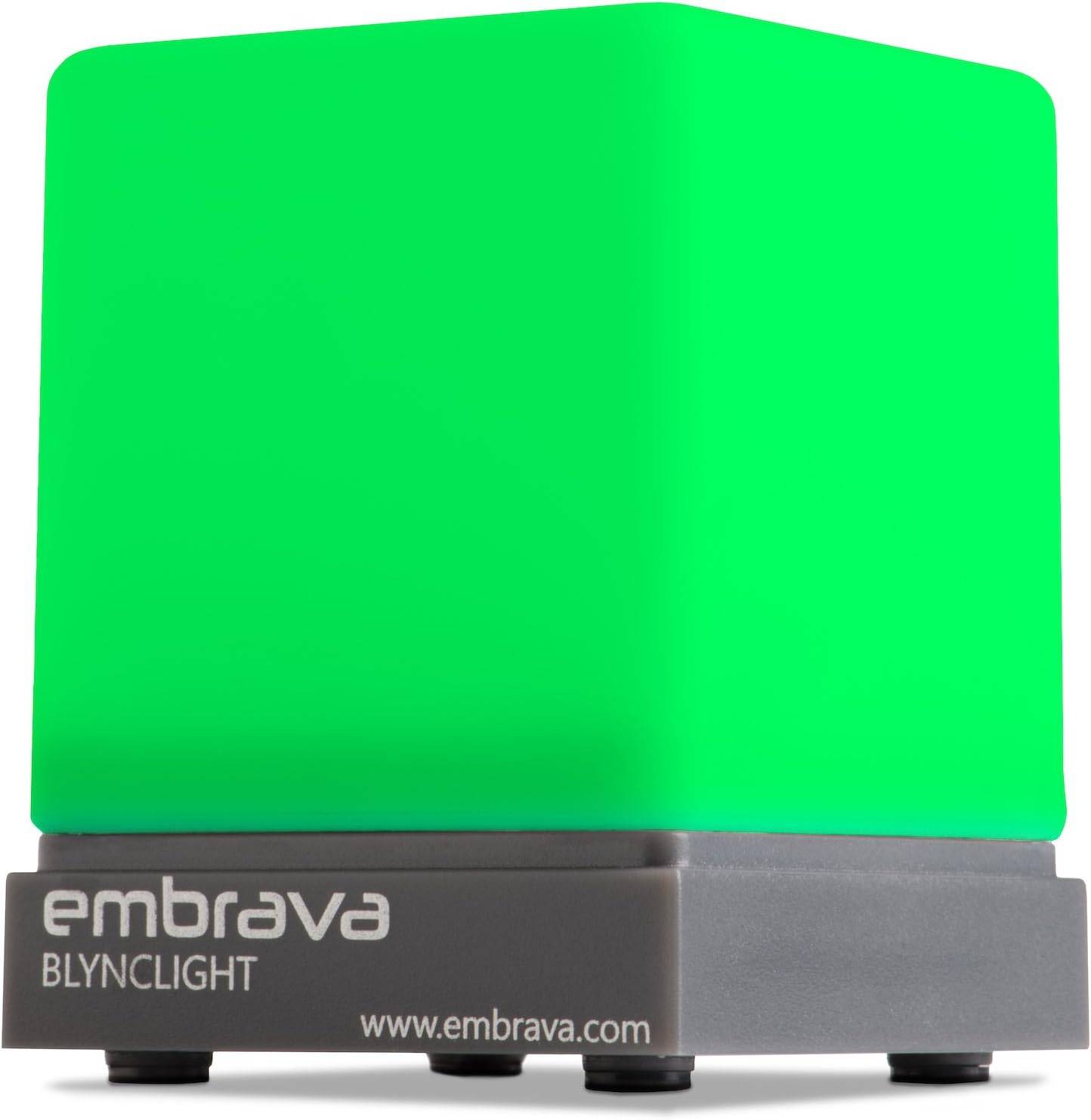
- Use a busy light to signal focus time in shared spaces
Is your cluttered desk adding unnecessary stress and reducing your productivity? Research shows that an optimized workspace can save up to 1.5 hours per day in wasted time while significantly reducing cognitive load and decision fatigue.
According to a study published in the Harvard Business Review, the average professional loses 76 hours per year looking for misplaced items in their workspace. Research from Princeton University's Neuroscience Institute found that physical clutter competes for attention, reducing focus and increasing stress. A 2011 OfficeMax workplace organization survey revealed that 77% of respondents believed their productivity would improve with a more organized workspace.
The Cognitive Impact of Workspace Organization
Most people underestimate how profoundly their physical environment affects their mental processes:
- Visual clutter creates attentional "noise" that the brain must constantly filter
- Inefficient layouts increase cognitive switching costs during task transitions
- Disorganization introduces decision points that deplete mental energy
- Searching for tools and materials creates workflow interruptions
The Science of Workspace Organization
What it is: Workspace organization is the deliberate arrangement of physical elements to support cognitive processes, workflow efficiency, and psychological comfort.
Why it works: Research in cognitive psychology shows that our brains form a "cognitive map" of our physical environment. When this map is logical and efficient, it reduces the mental resources needed to interact with our surroundings.
Implementation principles:
- Frequency-based accessibility (most-used items closest at hand)
- Functional zoning for different types of work
- Visual simplicity to reduce cognitive load
- Strategic placement of focus-enhancing elements
Building Your Optimized Workspace
Creating an effective workspace organization system requires a methodical approach tailored to your specific workflow needs.
Step 1: Conduct a Workspace Audit
- Document all activities performed at your desk over a full week
- Note the frequency and importance of each activity
- List all tools, supplies, and references needed for each activity
For those who struggle with maintaining focus during organizing sessions, fidget tools like the Infinity Cube Fidget Toy or the Magnetic Fidget Pen & Balls Set can help maintain concentration during desk organization planning by providing a physical outlet for restless energy.
Step 2: Implement the Zone System
The most effective organization approach divides your workspace into functional zones:
- Primary Zone: Items used hourly (keyboard, mouse, phone)
- Secondary Zone: Items used daily (notebooks, frequently used files)
- Reference Zone: Items used weekly (reference materials, less-used supplies)
- Archive Zone: Items used monthly or less (archived files, seasonal items)
Step 3: Apply the RAFTS Organization Method
This systematic approach ensures everything has a logical place:
- Remove: Eliminate unnecessary items from your workspace
- Assign: Designate a specific home for each remaining item
- Frequency: Position based on how often you use each item
- Tools: Group similar tools and supplies together
- Systems: Create maintenance routines to preserve organization
Addressing Common Organization Challenges
Challenge: "I start organized but can't maintain it" Solution: Implement a 5-minute end-of-day reset routine and weekly maintenance session
Challenge: "I need to keep multiple projects visible" Solution: Create a vertical organization system using wall space to maintain awareness without cluttering your desk surface
For those working in shared spaces where focus is critical, the Kuando Busylight UC Omega can be an effective part of your desk organization strategy, visually signaling your focus status to colleagues while maintaining your concentration during deep work sessions.
Measuring Organization Optimization Success
To determine if your desk organization improvements are working, track these metrics:
- Time spent searching for items (before and after reorganization)
- Number of workflow interruptions due to missing tools or materials
- End-of-day stress levels (subjective rating scale)
Transform Your Workspace for Peak Performance
Desk organization isn't just about aesthetics. It's about deliberately designing your physical environment to support your cognitive processes and workflow. By implementing the strategies outlined in this guide, you can reduce mental friction, enhance focus, and create the conditions for sustained, high-quality work.
Ready to optimize your workspace? Consider how our Infinity Cube Fidget Toy or Magnetic Fidget Pen & Balls Set can complement your organization strategy by providing a designated focus tool for your primary work zone.
Find Tools That Make Focus Easy
Discover handpicked products designed to help you get in the zone and make the most of your day.